Rodent Control Pasadena wordmark in amber lettering above a rule
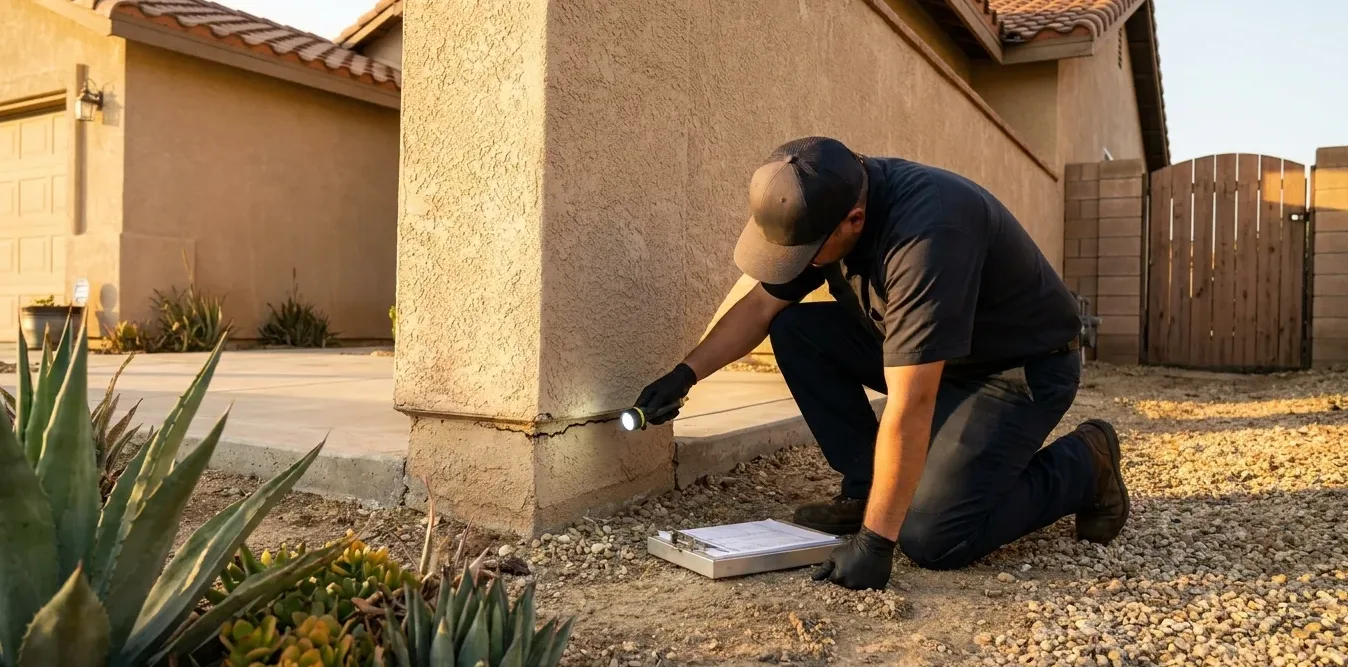
Pest control technician tracking the foundation line of a house with a torch

Rodent Control in Pasadena, CA

Rats and mice out of your Pasadena home, and sealed out for good

Rodents are the whole of what we do. We work the eave line and the subfloor, close the building in metal, and clear out what was left behind.

  • Rodents only — rats, mice and squirrels, and nothing else
  • Free inspection with every opening photographed before we quote
  • Sealed in steel mesh and flashing, never expanding foam
  • Trapping before sealing, so nothing is shut in to die in a wall
Call (323) 301-7551
Reviews (123):
4.9/5
Google Reviews logoHomeAdvisor logoAngie's List logoYelp logoYellowPages logo

Around-the-clock phone line

Rodents do not keep office hours. Someone answers the Pasadena line at night and at the weekend, so you can book the visit when you find the problem rather than the next working morning.

Scheduling that fits your week

Your technician confirms a window with you directly and works around school runs, shift patterns and trading hours instead of handing you a vague all-day slot.

Fast, friendly and local

Call before midday and same-day service across Pasadena is usually available. The person who inspects your property is the person who treats it and comes back for the follow-up.

Rats and Mice in Pasadena Houses

A rodent problem in this city is almost always a question about the building rather than about the household. The people who call us have clean kitchens and sealed bins and are still hearing something overhead at two in the morning, and the reason is nearly always that the house they live in was finished long before anyone thought about closing a structure against wildlife.

Pasadena's older districts are made of Craftsman bungalows on raised foundations, with deep overhanging eaves and exposed rafter tails. Those are lovely buildings and they are full of gaps that were never meant to be gaps. Add a mature street-tree canopy that lets an animal cross a neighbourhood without ever coming down to ground level, and the arroyo and the foothills feeding population in from both edges, and you have a city that keeps rodent contractors busy for reasons that have nothing to do with housekeeping.

Rodents Are the Whole of What We Do

Rats, mice and squirrels. Nothing else. That is a narrower offer than most companies make and it is deliberate, because this is a building trade rather than a spraying one, and doing it properly means owning a ladder, a crawl suit and a good torch rather than a tank.

If you ring about something outside that, we will say so on the phone rather than take the booking.

The Three Animals, and Why It Matters Which

Roof rats

Most of what we deal with. They are climbers, they nest above the ceiling rather than below the floor, and in Pasadena they arrive along branches and boundary walls rather than across open ground. Where they get in is the eave line — a rafter gap that was never blocked, a soffit join that has opened, a gable vent whose screen gave up two decades ago.

House mice

A much smaller world. A mouse lives within a few metres of whatever it is eating, behind a cabinet kickboard or inside a wall cavity, and it passes through an opening a little over half a centimetre across. On slab-built housing they come in at ground level; on a raised foundation they come up out of the void.

Norway rats

Lower and heavier. They burrow, they favour the older drainage and the damp ground near the arroyo, and where they are present the work happens under the house and along the foundation rather than up a ladder.

Which of the three you have decides the trap positions, the working height and the size of opening that has to be closed. A building sealed against a rat is frequently still wide open to a mouse, so we settle the species from droppings, rub marks and gnawing before anything else is decided.

Two Voids, Not One

This is the single most useful thing to understand about the housing here. Most older Pasadena homes have a subfloor void beneath the boards as well as a roof space above the ceiling, and on a great many of them the two are joined by the same chases the plumbing and wiring were run through.

That is why the noise appears to move around the house, and why an animal can live under your floor, travel up inside a wall and turn up in the roof without ever crossing an open room. It is also why inspecting only the attic finds half the job. We go underneath as well as above, wherever the access allows.

Book a rodent inspection in Pasadena

Tell us what you have seen and where. We will book an inspection, put the findings in writing and only then talk about treatment.

Call (323) 301-7551

How the Work Is Sequenced

Inspection first, and photographed. The eave line from a ladder on every elevation, the roof void entered where it can be, the subfloor entered where it can be, the detached garage, then a slow walk of the foundation and the grounds. Every opening is listed and photographed before a price is put on anything.

Trapping second, on the runs the animals are genuinely using, serviced on a schedule rather than left down and hoped over. The catch rate across successive visits is the only honest evidence of whether the job is closing out.

Sealing third, and never before the trapping. Closing an occupied building leaves animals dying inside a wall cavity or under a floor where they cannot be reached, which is a considerably worse problem than the one you started with. Everything is closed in galvanised or stainless mesh, hardware cloth and metal flashing — foam is chewed straight through and steel wool comes out by the strand.

Clearing last. Soiled insulation, nesting and droppings come out and the space is treated. The scent marking on a runway outlasts the animals by a long way and reads to the next one as a recommendation, which is much of why properties that were only ever trapped keep having the same trouble.

Where We Are Careful About Poison

Indoors, nowhere. An animal that takes bait inside a Pasadena house dies inside a Pasadena house — under a floor, in a wall, above a ceiling — and the only remedy is opening the structure to find it. We trap instead.

Outdoors it has a real but narrow place: secured, anchored housings on properties where arrival is continuous, which here means the arroyo edge, the foothill margin, and commercial premises that trade with doors open. Everywhere else it is a subscription rather than a solution, and we will tell you when yours does not need one.

There is a second reason for the restraint. Rodenticide moves up the chain into the owls, hawks and coyotes hunting across the arroyo and the foothills, and those animals are doing a considerable amount of rodent control at nobody's expense.

What You Will Be Told Plainly

When a job is small. Plenty of calls here turn out to be one animal, one failed foundation vent and an afternoon's work, and dressing that up as an ongoing plan would be dishonest.

When the pressure is coming from something we cannot fix — protected habitat at the fence line, a neighbouring property that is the actual source, a shared bin store nobody maintains. Sealing your building still works and is still worth doing, but you should know that before you commit rather than after.

And when a repair belongs to another trade. A rotted rafter tail is a carpenter's job, chewed cable is an electrician's, and a wet subfloor needs the leak dealt with before there is any point sealing anything. We would rather point at those than quietly work around them.

Questions Pasadena owners ask us

Droppings are the quickest answer. Mouse droppings are small, scattered and usually close to whatever is being eaten in one room. Rat droppings are noticeably larger and turn up concentrated along a run rather than spread about. Where you hear it matters too — overhead at night is almost always roof rats, while something behind a kickboard at dusk is a mouse.

Because the traps are almost certainly on the wrong floor of the building. On this housing the animal is usually a roof rat living above the ceiling and coming down only where it has to. Traps set in a kitchen it never enters will sit untouched indefinitely while the roof space carries on being busy.

No. An animal that takes bait indoors dies indoors, in a wall cavity or under a floor where nobody can reach it, and in a Pasadena summer that becomes a serious smell with no fix short of opening up the structure. Interior work is mechanical.

Wherever the access allows, and it matters here more than in most cities. Older Pasadena houses sit on a raised foundation, so there is a subfloor void as well as a roof void, and on many of them the two are connected. Inspecting only above the ceiling finds half the problem.

A mouse confined to one room is often finished inside a fortnight. An established roof rat population is more like three to six weeks including the sealing, because trapping has to run down to a nil catch rate before the building is closed. Closing it earlier traps animals inside the structure.

Yes — South Pasadena, San Marino, Arcadia, Alhambra and the Pasadena side of Glendale. If somewhere is genuinely outside that we will say so rather than take the booking and turn up late.

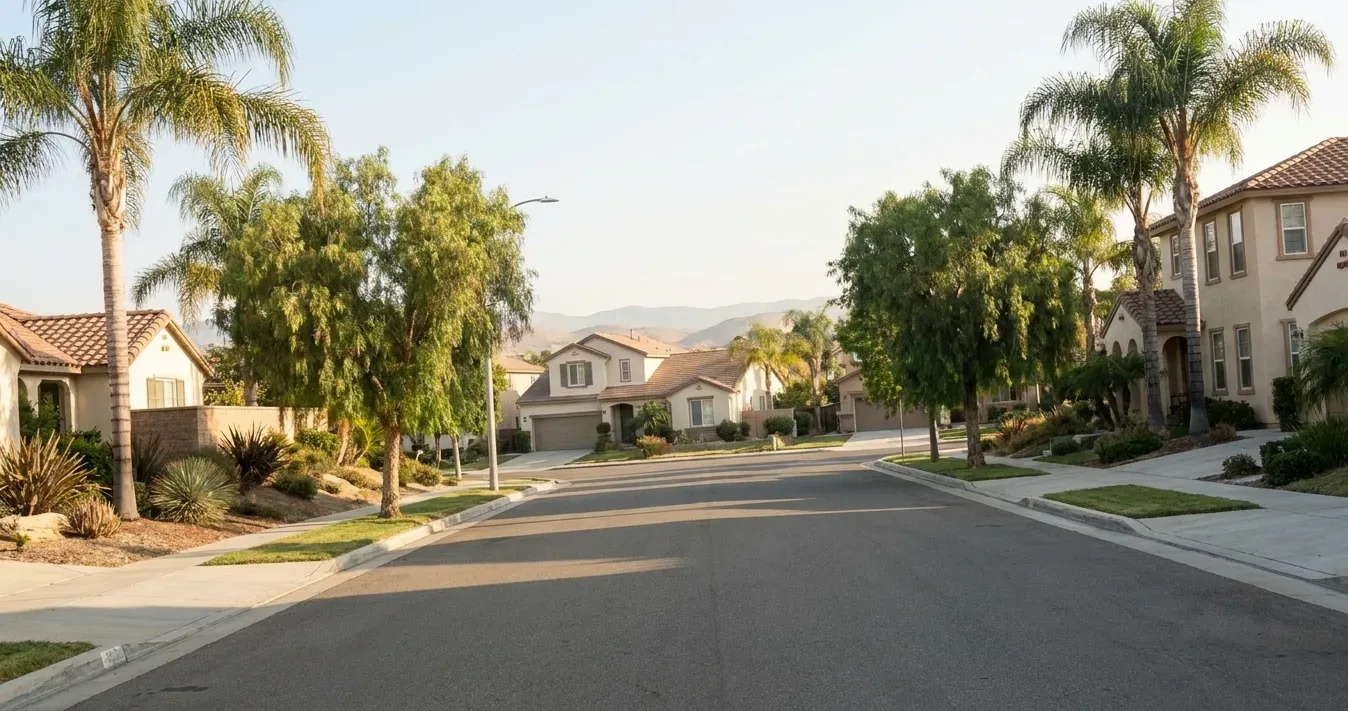
Quiet residential street of stucco houses with tile roofs and mature palms
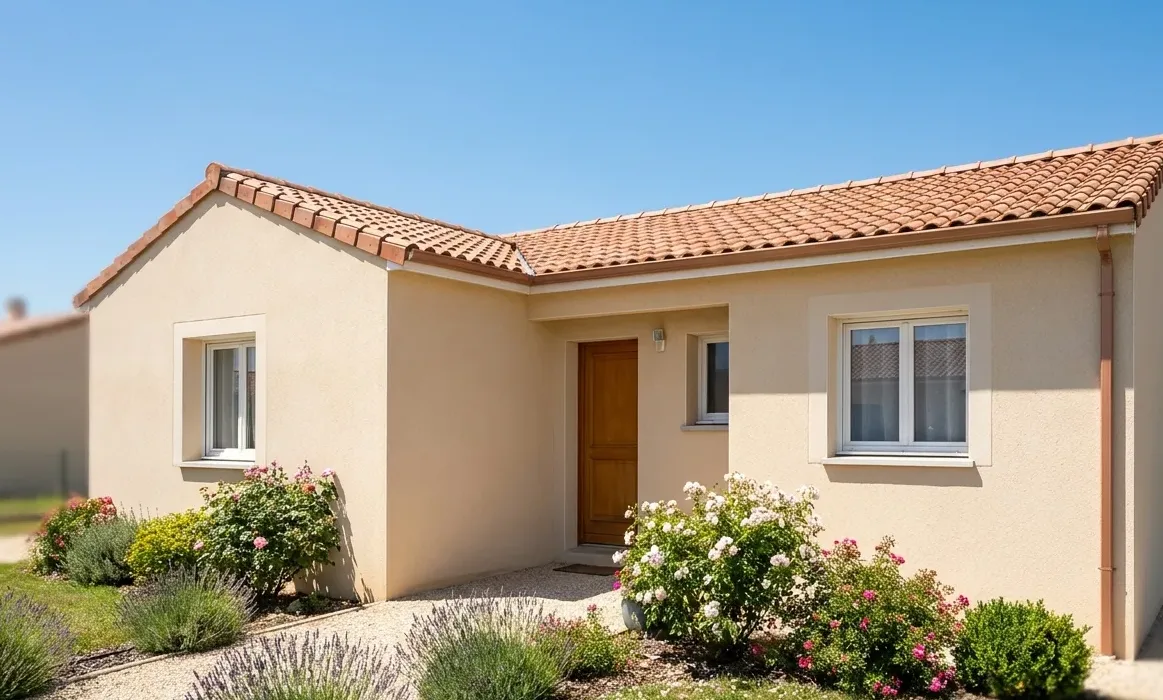
We cover the whole of Pasadena, from the bungalow streets around the Playhouse District out to the hillside blocks above Hastings Ranch.
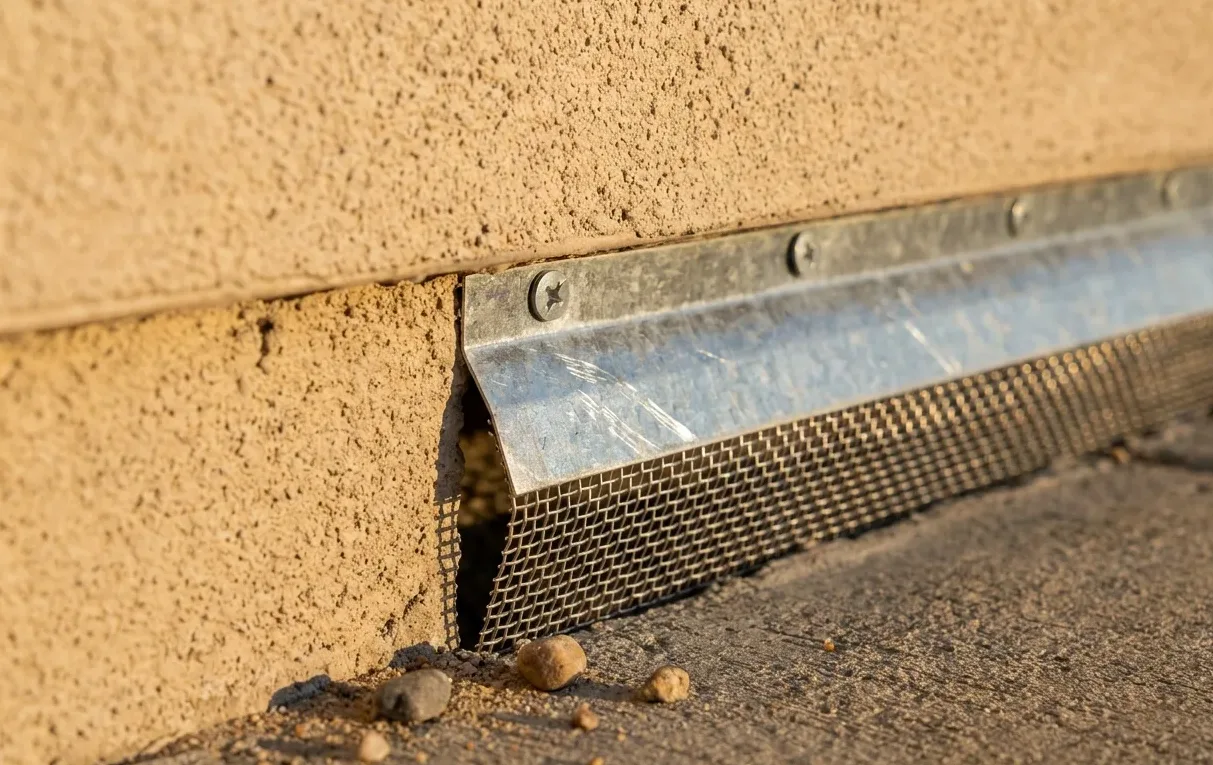
Rodent gap at a stucco wall base closed with stainless mesh and a galvanised strip
Closing the route in is the part that makes the result hold. Bait on its own leaves the door open.
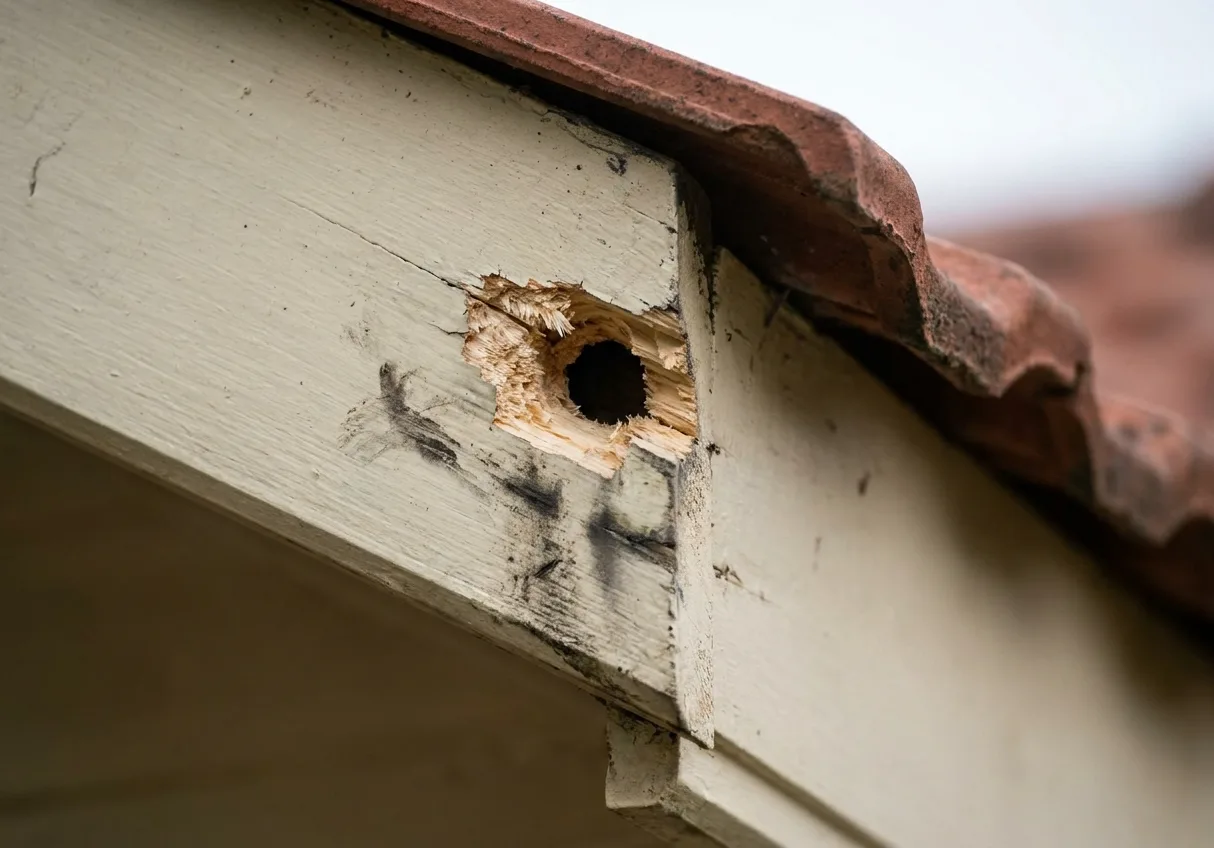
Ragged gnawed opening between a timber fascia and a clay tile roof edge
Most of what we find on a Pasadena roof line is an old fault that a rodent widened.
Rodent gap at the base of a stucco wall closed with stainless mesh and a galvanised strip

Why Choose Rodent Control Pasadena?

1

Local Pasadena team: we work the Playhouse District, Arroyo Seco and everywhere between, on the housing stock this city is actually made of.

2

Exclusion, not poison: sealing in steel and trapping, across zip codes 91101 to 91107.

3

Fast response: same-day visits most weekdays — call (323) 301-7551 and describe what you are hearing.

Professional Services

Rats, mice and squirrels. Fourteen ways we deal with them.

Quiet residential street of low-rise houses lined with mature palms

Bungalow Rodent Control

Craftsman and bungalow stock is what most of Pasadena is made of, and it is what decides where the openings are.

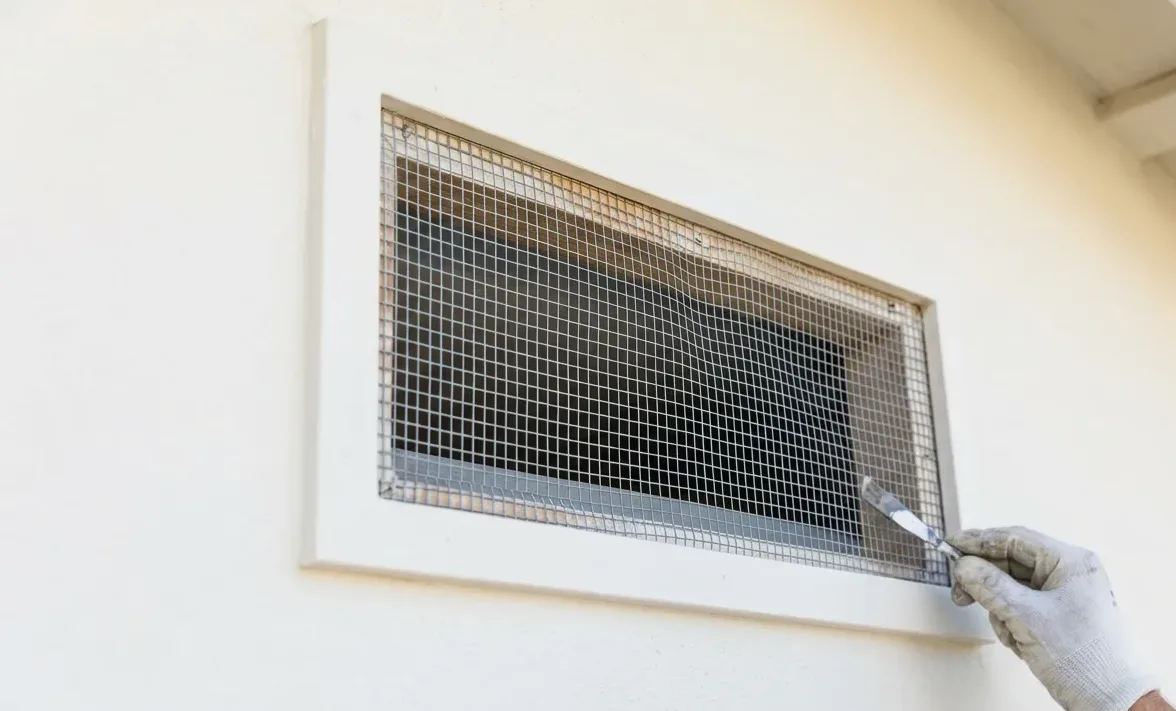
Gloved hand fitting metal mesh across a wall vent

Deep Eave and Soffit Sealing

The overhanging eave is the most characteristic thing about this housing and the most reliable way into it.

Cut lawn running up against a band of tall unmanaged grass

Arroyo Corridor Rodents

Properties along the Arroyo Seco face arrival from protected habitat that will never be treated.

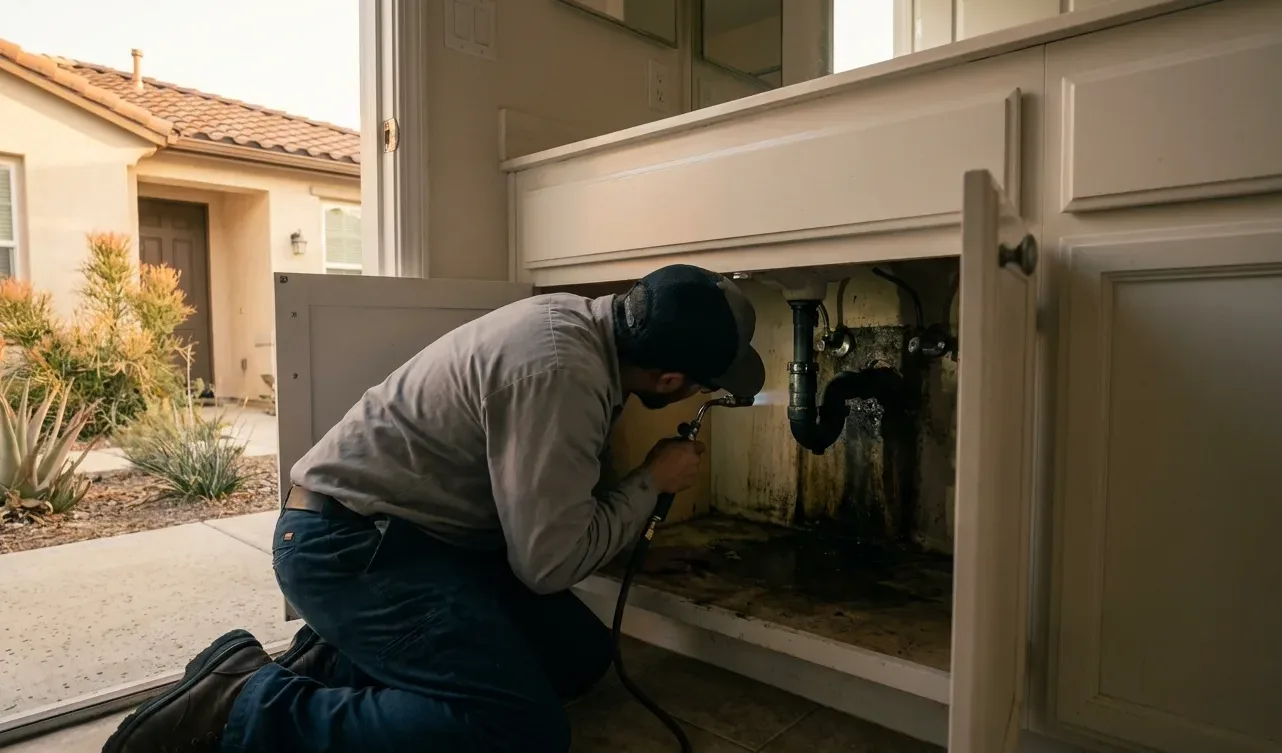
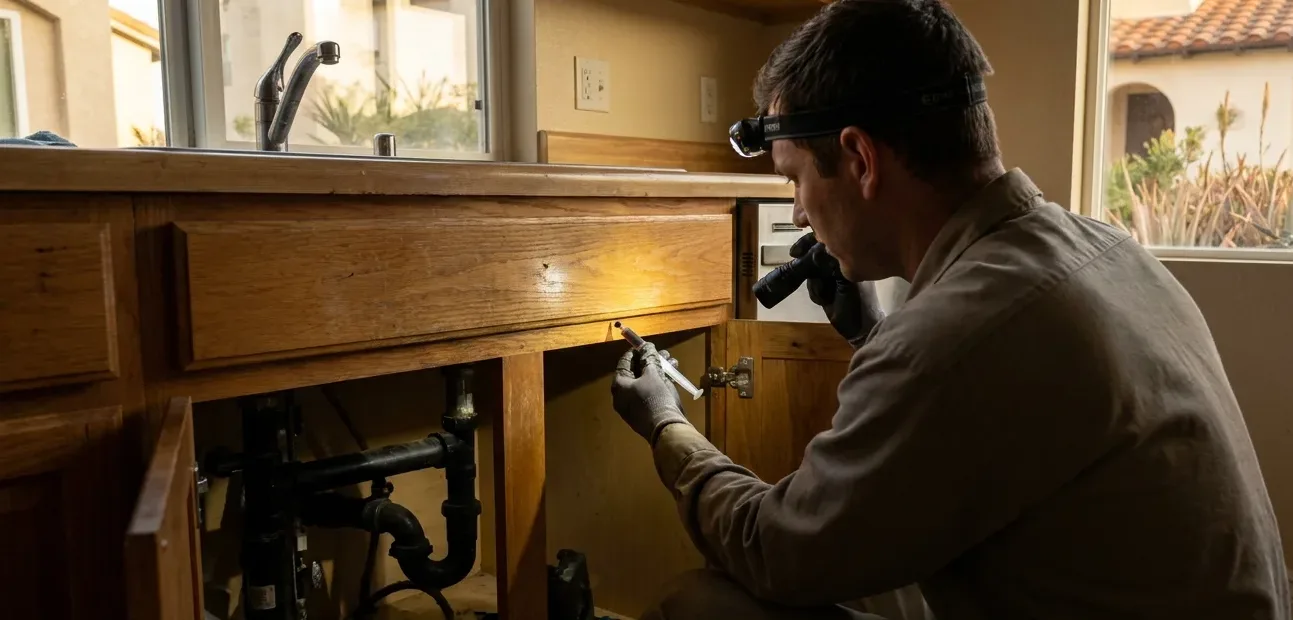
Technician at an opened under-floor cabinet with exposed pipework

Raised Foundation Rodents

The subfloor void is the part of a Pasadena house nobody looks at, and it is where a great many jobs actually are.

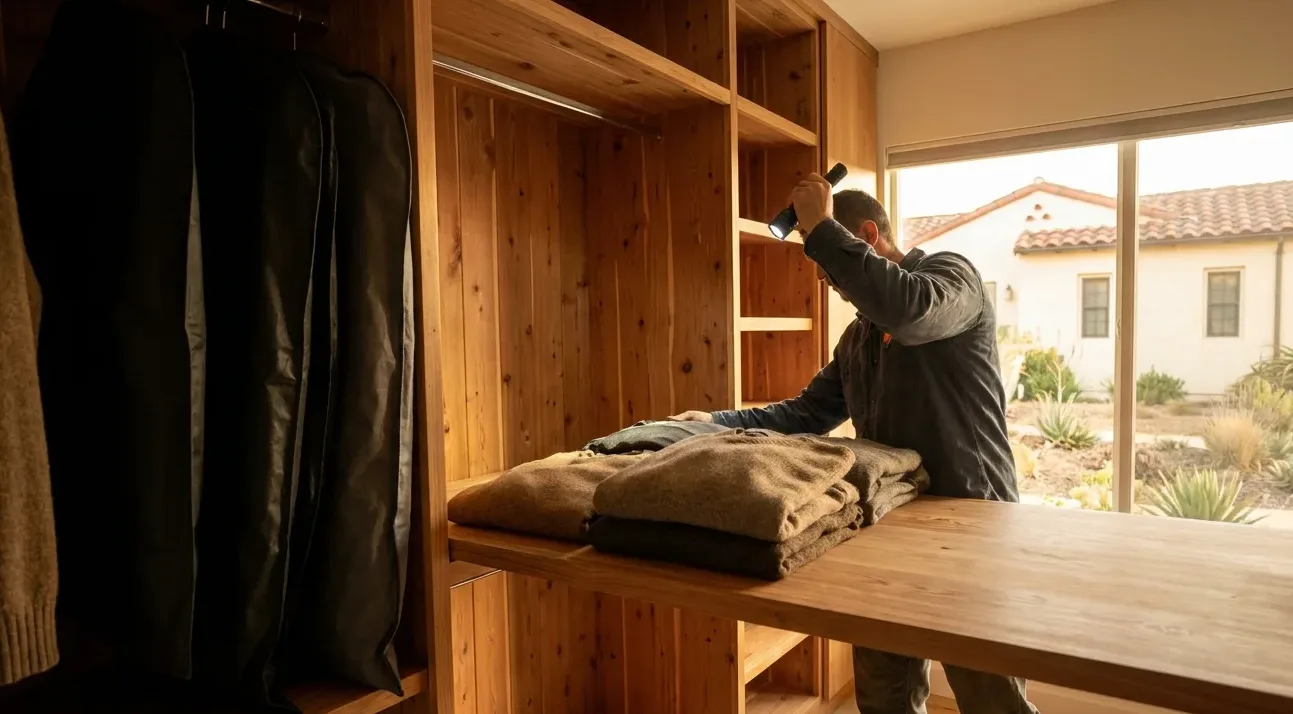
Technician checking the top of a timber-lined storage bay

Detached Garage Rodents

A separate garage is a fully stocked colony twenty feet from the house, and nobody thinks to seal it.

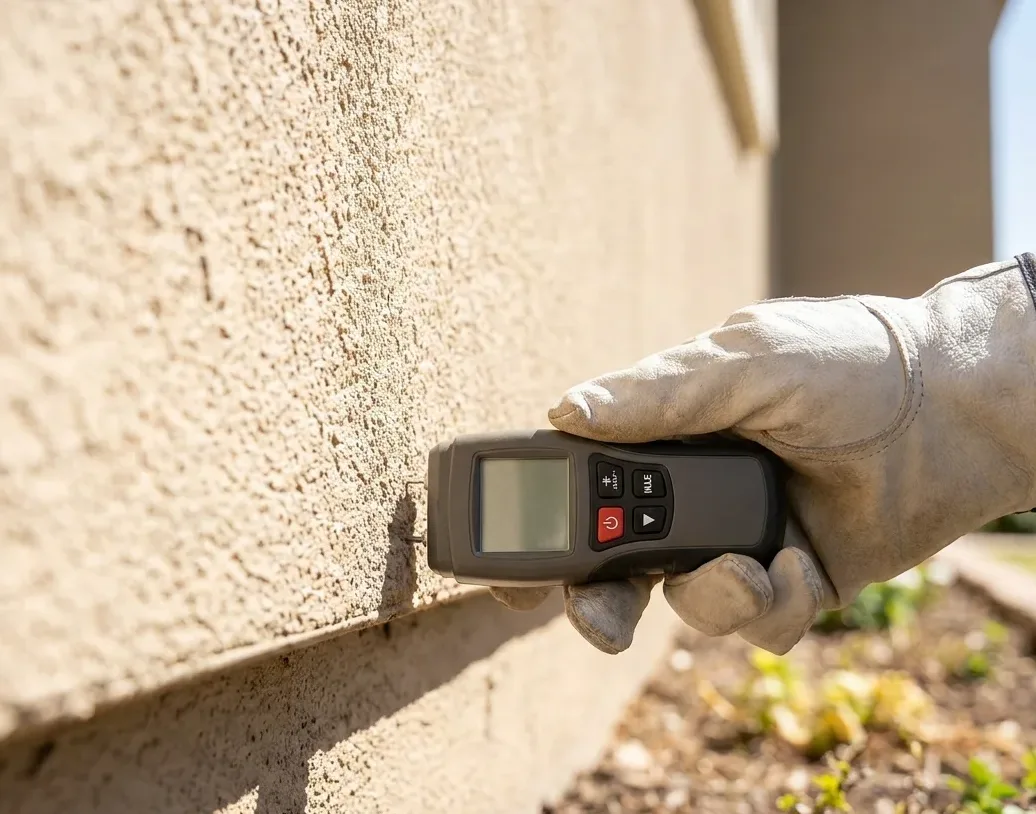
Hand-held meter held against the render at the base of a wall

Rodent Entry Mapping

Every opening located and photographed, with a written map of how the building is actually being entered.

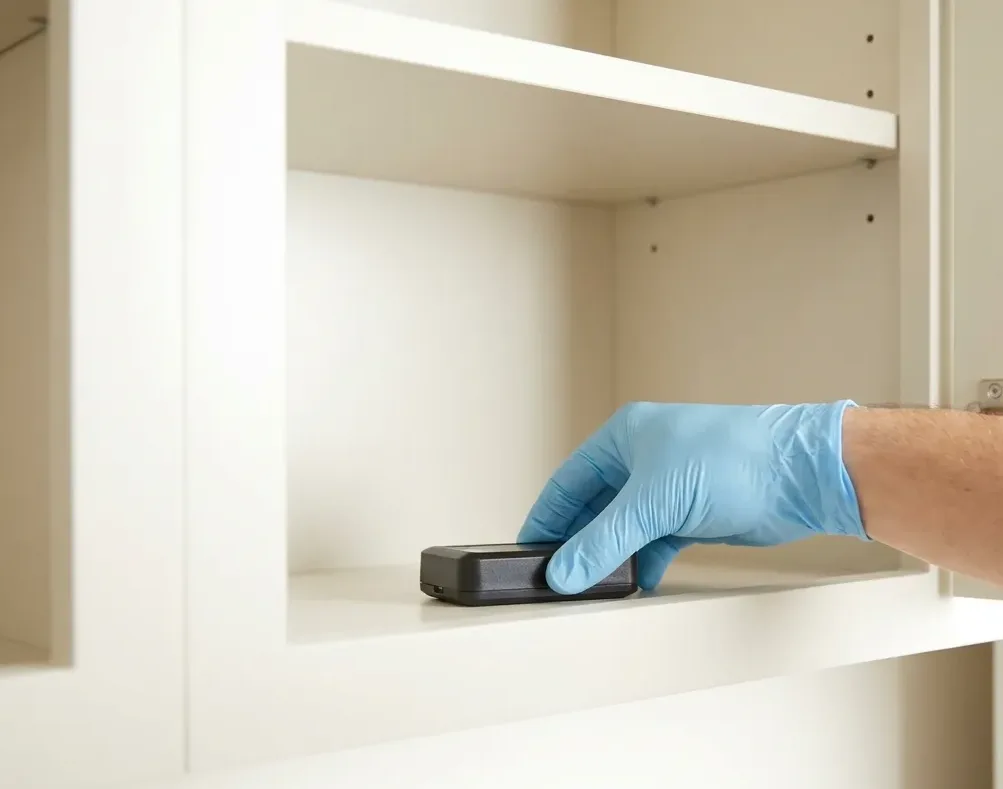
Gloved hand setting a low black device on an empty cupboard shelf

Mechanical Trapping Programme

Traps on the runs the animals are using, serviced on a schedule rather than left down and hoped over.

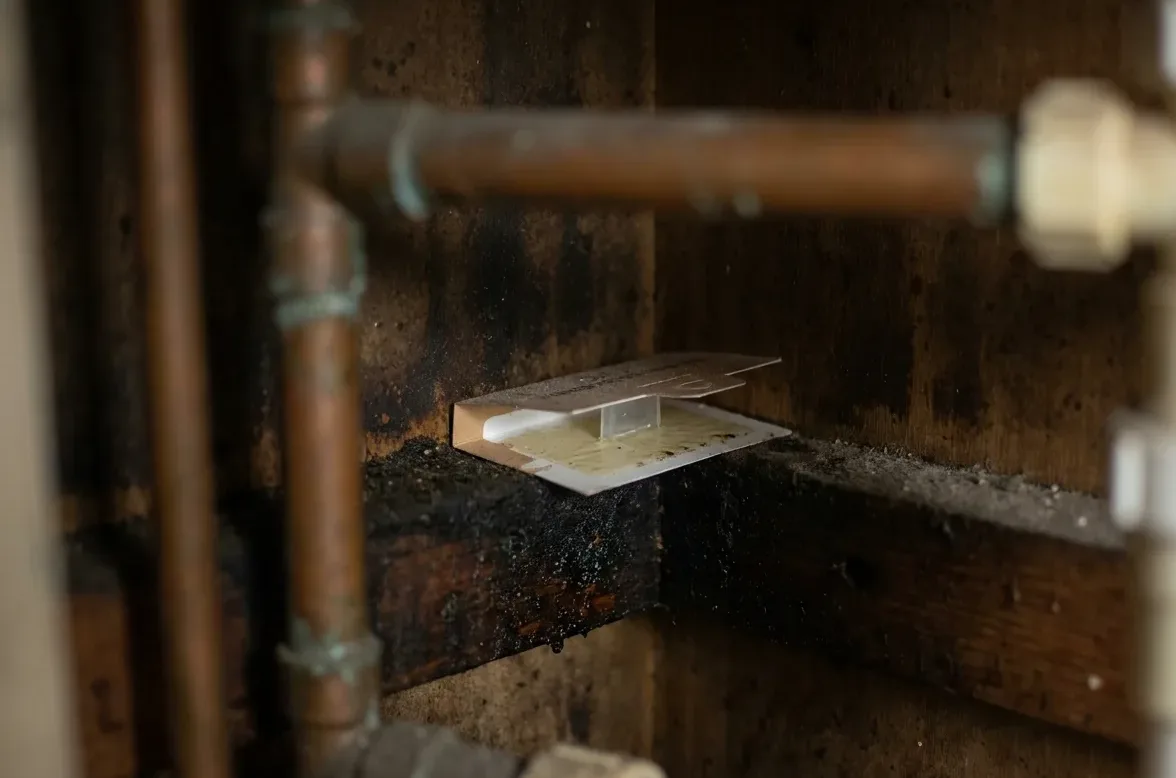
Shallow tray on a ledge inside a dark service void

Tamper-Resistant Bait Boxes

Rodenticide outdoors, secured, and only where arrival is continuous. We will tell you when yours does not need it.

Technician clearing out the back of a dark cabinet void by torchlight

Nesting Material Clearance

What they built stays behind, and the scent marking on it advertises the address to the next animal.

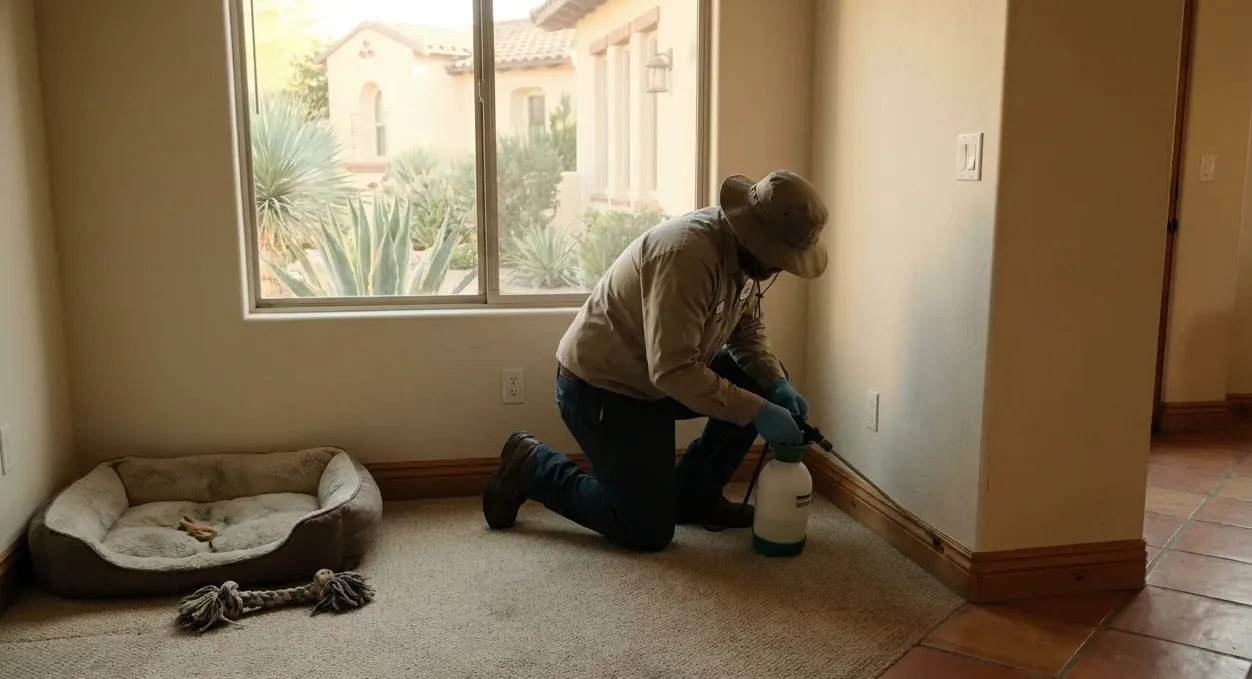
Technician working at floor level along the edge of a room

24 Hour Rodent Callout

Held capacity for the situations that genuinely will not wait — and an honest answer when yours will.

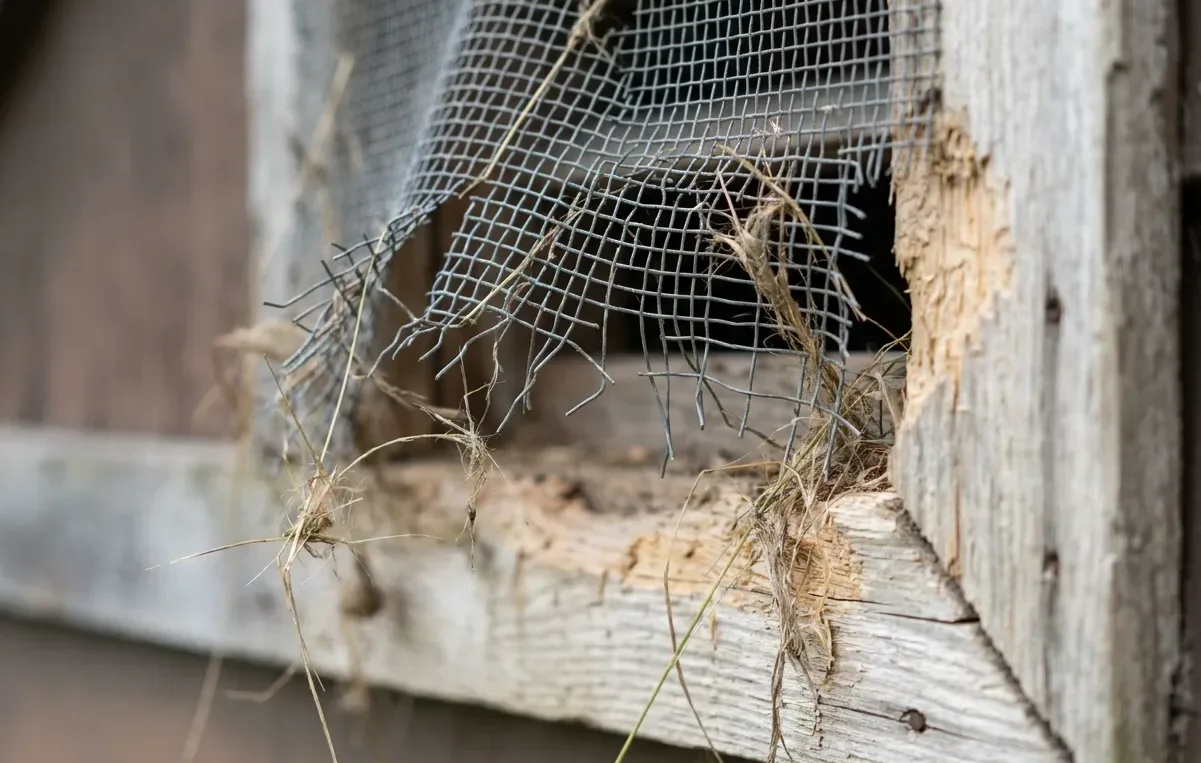
Torn opening between a timber fascia board and the edge of a tiled roof

Rodent Control

Rats, mice and squirrels across Pasadena and the western San Gabriel Valley.

Chewed timber at the corner of a roof vent opening

Squirrel Removal

Squirrels are rodents, and they come in higher up than rats do.

Tidy single-storey family home with a clipped front lawn

Residential Rodent Control

Houses across Pasadena, from Craftsman bungalows to post-war tract.

Spotless stainless steel prep line in a commercial kitchen

Commercial Rodent Control

Kitchens, stockrooms and multi-unit buildings, on a documented schedule.

Serving Pasadena & Surrounding Areas

Rodent control across the city

Find Rodent Control Pasadena in Pasadena

Get the rats out of your Pasadena house

One call books the inspection. We will tell you what we find, what it will take to fix and what you can do yourself — before you commit to anything.

Call (323) 301-7551

Latest Insights

Expert tips and advice from Rodent Control Pasadena

2/20/2026 By Alex Rivera, Rodent Control Pasadena

Rodent Activity Trends Across Pasadena Neighborhoods: Insights for Homeowners

Rodent activity is on the rise in Pasadena neighborhoods, from Downtown to Arroyo Seco, driven by the city's climate and urban growth. This post explores trends in areas like Hastings Ranch and San Rafael, highlighting common signs, health risks, and prevention strategies. Learn about Norway rats and house mice prevalent in local homes, and discover why professional intervention from Rodent Control Pasadena is crucial. With tips on sealing entry points and managing food sources, plus which neighbourhoods are under the most pressure this season, empower yourself to safeguard your property. For expert help, call (323) 301-7551 today. Stay informed on Pasadena's rodent landscape and prevent costly damage.

Read More
Book a free inspection 24-hour assistance. Current wait: 0–2 minutes.